The #7 is the most widely used coin envelope size. Not so small that items are hard to retrieve, not so large that it wastes space or moves around in storage. It hits the practical middle: big enough for a handful of coins, a set of keys, a small piece of jewelry, an SD card, a folded bill, or a few stamps, and compact enough to label clearly and stack in a drawer or filing system without the pile tipping over. This version is brown kraft, 28 lb, with a short-side gum flap that opens and closes cleanly. Available blank or with custom printing from Business Envelopes. Free shipping, no minimums.
Coin Envelope Sizes: Where the #7 Fits
Coin envelopes run from the tiny #1 up through larger formats. Here's how the most common sizes compare:
- #1 coin envelope: approximately 2 1/4 x 3 1/2 inches — single coins, tiny parts, individual stamps
- #7 coin envelope: approximately 2 7/8 x 4 7/8 inches — the most versatile size, handles multiple coins, keys, small electronics, folded bills
- 4 5/8 x 6 3/4 format: the large coin envelope, handles gift cards, photo prints, and bulkier small items
The #7 at 2 7/8 x 4 7/8 inches is the right choice when the #1 is too small and the 4 5/8 x 6 3/4 is more envelope than the contents need. Most banks, jewelry retailers, pharmacies, hardware operations, and archival programs stock the #7 as their default coin envelope size. It handles the full range of small-object storage without wasted space, and the short-side flap opening makes items easy to insert and retrieve without bending the flap repeatedly.
Small Brown Coin Envelopes: Why Kraft for This Application
Brown kraft is the traditional material for coin envelopes for practical reasons. The 28 lb kraft fiber construction is heavier and more resistant to tearing than the 24 lb white stock used in standard letter envelopes. For a small envelope that gets handled frequently, opened repeatedly, and sometimes holds items with edges or weight that can stress the paper, that extra durability matters. The kraft surface also holds handwritten labels, stamped identifiers, and adhesive stickers cleanly. Most coin envelope labeling in banking, pharmacy, and archival contexts is done by hand or stamp directly on the kraft face, and the surface takes both without bleeding or smudging.
The brown color itself is an organizational asset. In a mixed storage environment where white envelopes and brown coin envelopes are both in use, the color difference creates an instant visual category. Staff don't need to read the label to know which pile they're reaching into. That's a small operational advantage that compounds across a busy desk or supply counter.
Colored Coin Envelopes and Other Formats Available
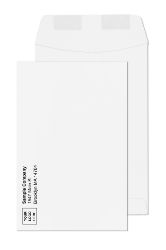
The #7 also comes in white gum flap and white peel-and-seal formats for applications where the white surface is preferred for printed labels or organizational color systems. The white version takes printed labels more crisply than kraft and suits any environment where the brown color doesn't match the filing system in use. For custom printing on the #7 in either color, your organization name, department identifier, or logo can be printed on the face for retail packaging, banking counter use, or branded small-item kitting.
For the white gum flap version of the #7, see the #7 White Coin Envelope Gum Flap. For a peel-and-seal closure on the brown #7, see the #7 Brown Coin Envelope Peel and Seal. For the smaller #1 coin envelope, see the #1 Brown Coin Envelope Gum Flap. Browse the full coin envelope range for all sizes, colors, and closure types we carry. Ships same or next business day on blank stock.
 Free shipping