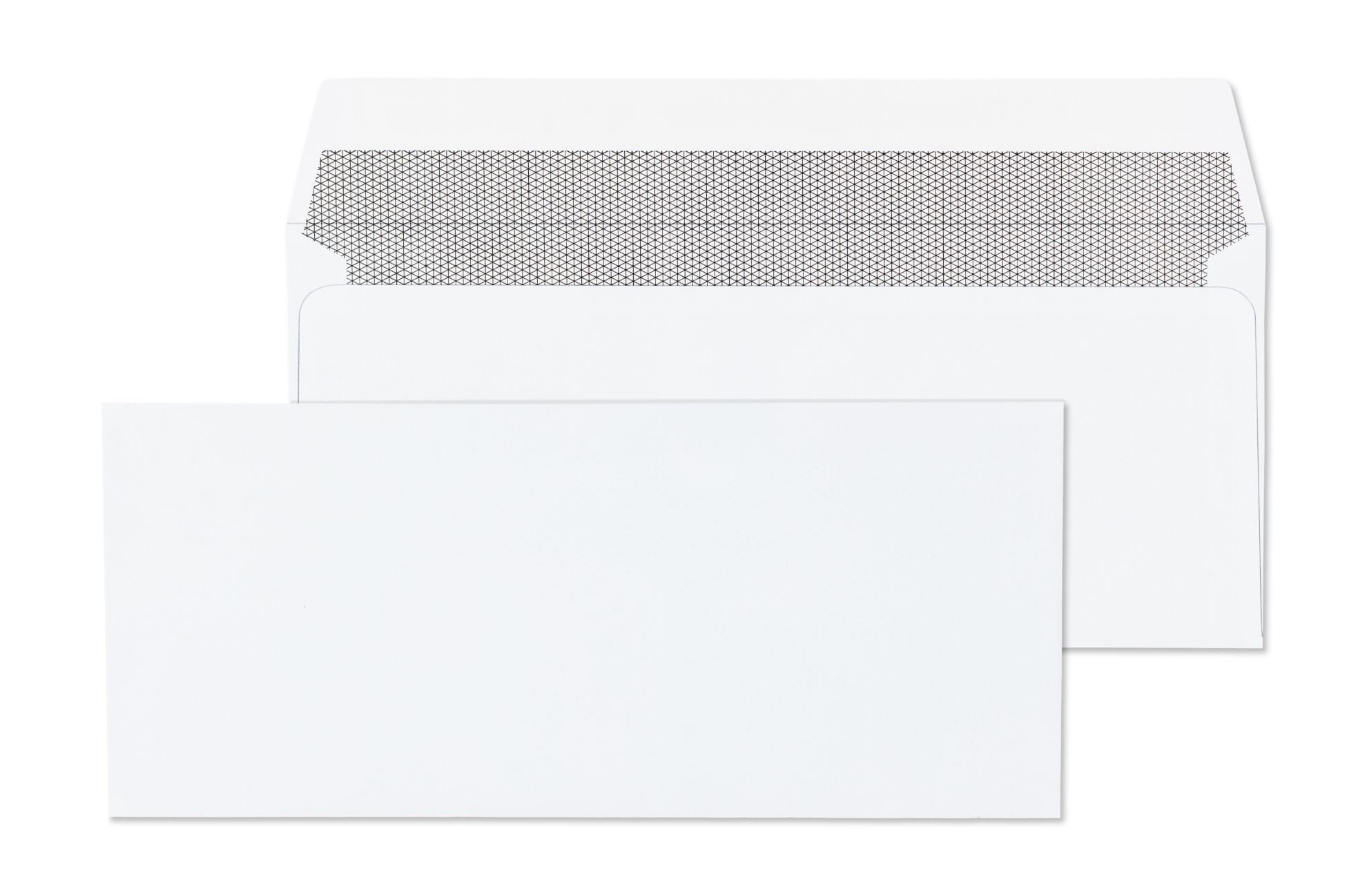
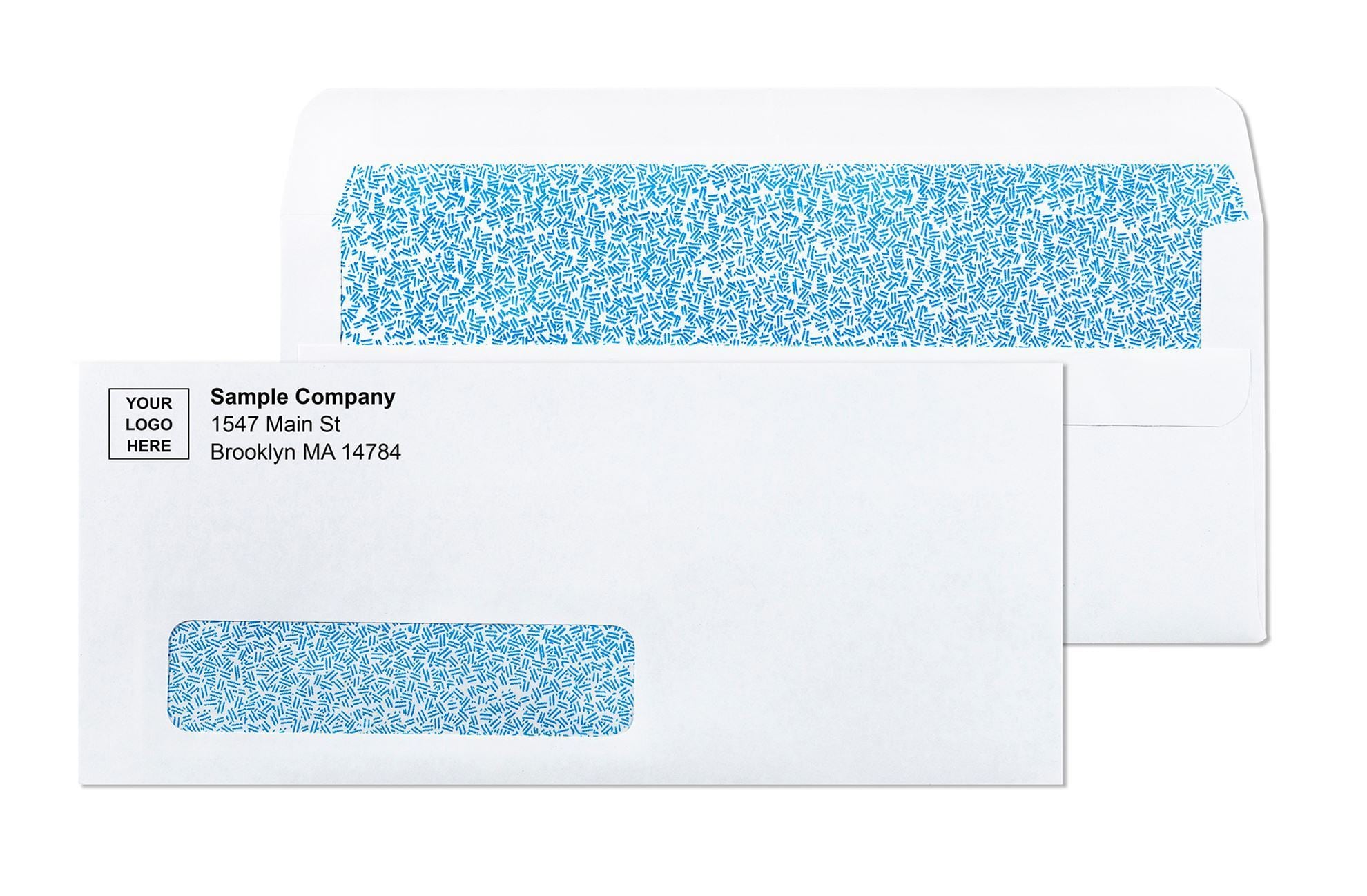
Quick answer: A #10 envelope measures 4-1/8 x 9-1/2 inches (approximately 105 x 241 mm). It holds a standard 8.5 x 11 inch sheet folded into thirds and qualifies for USPS First-Class letter-rate postage at $0.82 per ounce in 2026. Available in seven formats including plain white, security tinted, window, self-seal, starburst, and double window.
If you have handled business mail at any point, you have used a #10 envelope without even thinking about it. It shows up in offices of all kinds because it handles most everyday paperwork with no trouble. We have seen it used for statements, bills, letters, and all kinds of routine communication. It works so well that many teams stick to it for almost everything they send out.
No doubt the #10 envelope is the most demanded in the U.S. for business mailing. But many still wonder, What Size Is a #10 Envelope? The reason is that very few people actually know its exact size, why it became the standard, or how many variations exist within that one category.
Knowing the What Size Is a #10 Envelope matters more than most expect. It decides how your papers are placed inside it, how your printer feeds it, how much postage goes on the corner, and how clean your mail looks when it lands in someone's hands.
When you deal with bulk mailing or daily communication, the right #10 envelope saves time and prevents avoidable returns. This guide walks you through everything you need to know about the size of a #10 envelope and why it holds such an important place in business mailing.
What Size Is a #10 Envelope?
The standard #10 envelope measures 4 1/8 inches x 9 1/2 inches.
That is the industry-standard dimension used by banks, healthcare providers, sales departments, and offices nationwide. It fits a standard letter sheet (8.5" x 11") when folded into three equal parts, commonly called a tri-fold.
| Measurement | Value |
|---|---|
| Width x Height (US) | 4-1/8 x 9-1/2 inches |
| Width x Height (metric) | Approximately 105 x 241 mm |
| Interior workspace | Approximately 4 x 9-1/4 inches |
| Tri-folded 8.5x11 panel | Approximately 3.67 x 8.5 inches |
| USPS classification | First-Class letter |
| Maximum weight (letter rate) | 3.5 ounces |
For a deeper exploration of all #10 variants, uses, and features, see What Is a #10 Envelope? An In-Depth Exploration.
Why #10 Envelope Size Works So Well?
Because the width gives you:
- Room for a clean tri-fold with no stress on the paper
- Enough space for checks, slips, or invoices
- Smooth movement through postal machines and office inserters
- A neat look that never feels squeezed or bulky
The #10 envelope avoids wasted space while still keeping papers neat. That balance makes it the everyday favorite for business letters and everyday correspondence.
Bonus tip: Read more about mailing clasp envelopes.
Why the #10 Envelope Became the Business Standard?
Before diving into the variations, it is crucial to understand the reasons that make the #10 envelope the standard choice for business day-to-day communications:
- Perfect Fit for Letter Paper: Letter sheets in the U.S. measure 8.5" x 11". A tri-fold folds into a #10 envelope without excess wiggle room.
- Mailing Machine Friendly: Sorting systems and inserters are built with #10 envelopes in mind.
- Saves Postage: They fall within USPS's standard letter category.
- Ideal Branding Canvas: There is enough room for a custom-printed logo, a return address, and simple brand styling.
- Universal Acceptance: Printers and mailing centers handle them with no adjustments.
★★★★★
"great quality basic envelopes at great price! Thank you!"
Verified buyer | #10 White Business Envelopes Custom Printed Gum Flap Wove
Source: businessenvelopes.com product reviews
Best #10 Envelope Options Available Today for Seamless Business Communication
White, Gum Flap
Best for: Everyday office mailing and general correspondence. A classic #10 white envelope featuring a traditional gum flap seal. With its durable and professional design, it is ideal for routine business correspondence, including letters, statements, and invoices. It works well with most office printers and mailing systems and is a great choice for offices looking for an affordable, reliable envelope.
White Tinted, Gum Flap
Best for: Secure client or customer communications. #10 White-tinted envelopes ensure privacy with a tinted interior and a traditional gum-seal closure. Suitable for sending confidential documents that should remain hidden from casual viewing, they are an excellent choice for legal, medical, or billing departments.
White Tinted, Peel and Seal
Best for: Fast sealing and frequent mailing. With this tinted #10 envelope, you get security and a secure peel-and-seal closure. A security tint prevents light from reading the contents, while a self-sealing strip speeds up mail preparation for heavy mailings. Suitable for busy offices handling recurring statements or sensitive correspondence.
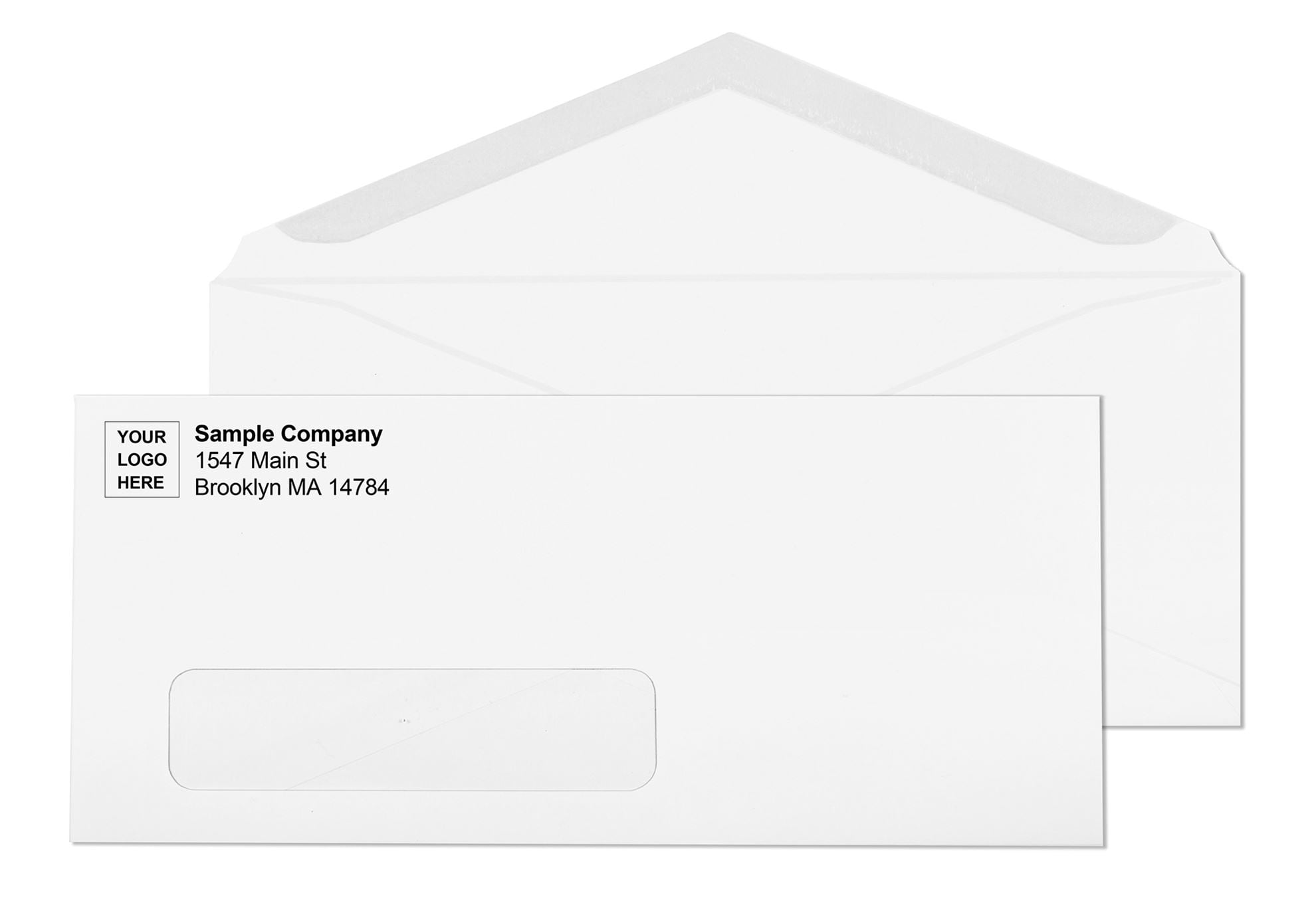
White Window Tinted, Gum Flap
Best for: Automated billing and invoice mailings. #10 envelopes are equipped with a clear address window and tinted interior for privacy. Using gum-flap seals helps reduce printing costs and streamline workflows. This is ideal for companies that send invoices, statements, and notices directly from their software.
Double Window Check Envelopes, Flip and Stick
Best for: Payroll, checks, and dual-address mailing. Double-window #10 envelopes display both sender and recipient data, eliminating the need for manual labeling. With the flip-and-stick seal, bulk mailing cycles can be completed quickly and easily. The perfect solution for payroll departments, accounts payable, and companies that frequently issue checks or statements.
#10 Wove Envelopes, Gum Flap
Best for: Polished everyday correspondence. Wove #10 envelopes enhance routine mailing with a smooth, premium texture. With a gum-flap closure, these letters are reliable and cost-effective, making them an ideal choice for regular letters, administrative mail, or client communication.
#10 Starburst Envelopes, Peel and Seal
Best for: Marketing, promotions, and eye-catching mail. Starburst #10 envelopes are visually appealing, making them ideal for direct mail, invitations, and promotions. With a peel-and-seal closure, bulk sealing is easier, while the attractive pattern attracts attention and increases engagement. A powerful tool for communicating your brand.
What Fits Inside a #10 Envelope?
A #10 envelope holds:
- Letter paper folded into three parts
- Checks
- Statements and invoices
- Marketing letters
- Donation letters
- Flyers
- Order details
- Return slips
The neat fit keeps edges straight and clean. This matters when you want your mail to feel professional the moment someone opens it.
#10 Envelope USPS Postage: 2026 Rates