

Quick answer: Peel-and-seal envelopes have a liner-protected adhesive strip you peel off before sealing. They are tamper-evident and have a longer shelf life. Flip-and-stick envelopes have adhesive on both the flap and body that bonds when pressed together. No liner, no waste, faster sealing. For billing, invoicing, and high-volume correspondence, flip-and-stick wins on speed. For law firms, medical offices, and any program where tamper evidence matters, peel-and-seal is the correct choice. Both eliminate moisture entirely. Neither works in a folder inserter's built-in sealing unit. See all self-seal formats at self seal envelopes.
Okay so here's something nobody tells you when you're setting up an office for the first time. You'll spend an embarrassing amount of time thinking about envelopes. Not the fun kind of thinking either. More like standing in a supply closet at 4pm wondering why half your outgoing mail came back because the flaps popped open.
That happened to me. Spring of 2019, running admin for a small CPA firm in Charlotte. We'd been using the cheapest gummed envelopes we could find. The kind where you have to lick the flap or use one of those little sponge roller things. And look, the sponge roller worked fine when it was new. But after a few months the sponge got this grey crusty film on it, nobody wanted to touch it, and our receptionist started just licking them which... yeah. Not great. Especially when you're sending 400+ pieces during tax season.
We switched to self-seal envelopes that April. No water, no sponge, no licking. Just fold and press. Done. But here's the thing. When I went to reorder a few months later, I realized there were actually two completely different types of self-seal, and they work nothing alike.
What Is the Difference Between Gummed and Self-Seal Envelopes?
"Self-seal" is an umbrella term. It just means the envelope closes without moisture. But underneath that umbrella you've got two mechanisms that work differently. Most office supply sites don't bother explaining the difference. They just slap "self-seal" on everything and call it a day.
Gummed envelopes have a strip of water-soluble glue on the flap. You lick it or moisten it with a sponge, fold the flap down, and press. The glue activates with water and bonds when it dries. They've been around forever. They're cheap. And they're the reason people associate envelope sealing with that weird taste.
Self-seal envelopes skip the moisture entirely. The adhesive is pressure-activated instead of water-activated. That's the core difference. No water, no sponge, no licking, no waiting for anything to dry. You fold the flap and press. The bond happens immediately.
How Do Peel-and-Seal Envelopes Work?
First type: peel-and-seal. There's an adhesive strip on the flap, covered by a thin paper liner. You grab the liner, peel it off like a sticker backing, fold the flap down, and press. Strong bond. Permanent. And here's the detail that matters for certain industries. It's tamper-evident. If someone tries to steam it open or peel it back, the paper tears visibly. You can tell it's been opened. That's why law firms and medical offices tend to prefer peel-and-seal envelopes. Anything with patient data, legal privileged info, or financial records. The tamper evidence actually matters in those settings.
Downside? The liner strips pile up. At 200 envelopes you've got a little mound of paper strips on your desk. At 2,000 you've got a small mountain. Some people don't care. Some offices go nuts about it. Minor thing but worth knowing before you order 5,000.
How Do Flip-and-Stick Self-Seal Envelopes Work?
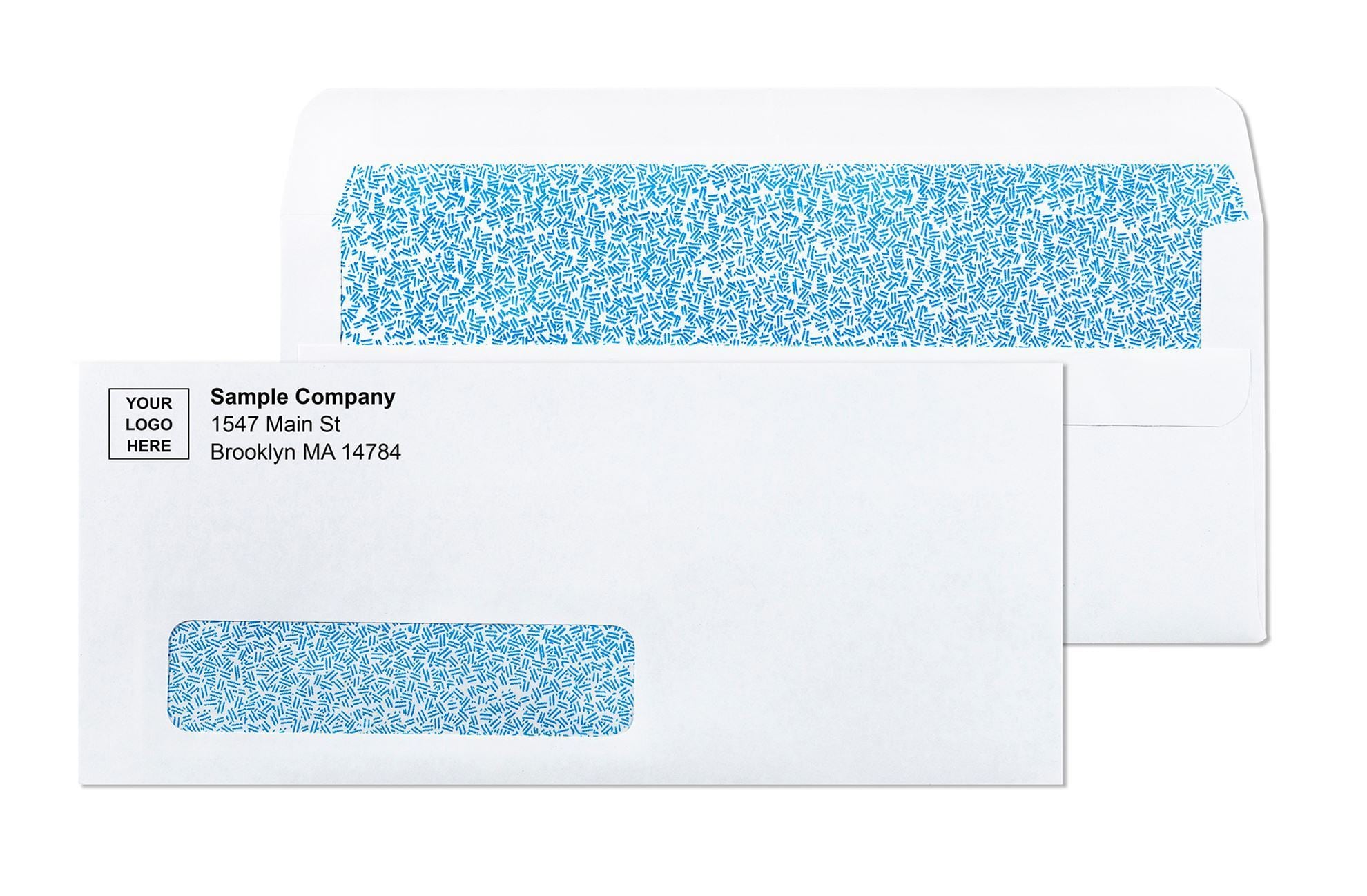
Second type: flip-and-stick. This one's clever. There's adhesive on the flap AND on the body of the envelope. When you fold the flap down, the two sticky surfaces meet each other and bond. No liner to pull off. No waste at all. Literally one motion. Flip, press, done. These tinted self-sealing #10 envelopes use this mechanism and honestly, for pure speed, nothing beats it. We timed it once at the CPA firm. Our billing clerk could seal about 140 envelopes in 10 minutes with flip-and-stick. With peel-and-seal it was closer to 100. With gummed? Maybe 60, and her fingers were pruney by the end.
The catch, and it's a small one, is that flip-and-stick isn't tamper-evident the way peel-and-seal is. If someone really wanted to carefully pry it open, they probably could without leaving obvious damage. For everyday billing and correspondence, that's totally fine. For sensitive legal or medical stuff, you might want peel-and-seal instead.
Peel-and-Seal vs Flip-and-Stick vs Gummed: Side-by-Side Comparison
| Feature | Peel-and-Seal | Flip-and-Stick | Gummed Flap |
|---|---|---|---|
| Sealing method | Peel liner, press flap | Fold flap, press | Moisten with water, press |
| Moisture required | No | No | Yes |
| Speed (relative) | Fast | Fastest | Slowest |
| Tamper evidence | Yes , liner cannot be replaced; paper tears if pried open | No , can be pried open without obvious damage | No |
| Liner waste | Yes , one paper strip per envelope | None | None |
| Shelf life | Several years when stored correctly | 6 to 12 months recommended | Years , but sensitive to humidity |
| Folder inserter compatible | Stuffing only , cannot seal in inserter | Stuffing only , cannot seal in inserter | Yes , full seal + stuff in one pass |
| Best for | Legal, medical, HR, financial records | Billing, invoicing, high-volume office mail | Folder inserter programs |
Are Self-Seal Envelopes Better Than Gummed?
I know some offices still buy gummed because they're a few cents cheaper per envelope. And I get it. When you're ordering 2,000 at a time, a few cents per piece adds up. But here's what that math doesn't account for.
Time. Each gummed envelope takes roughly 3 to 4 seconds to seal when you factor in the moistening, folding, pressing, and waiting a beat for the gum to activate. Each self-seal takes under a second. At 500 envelopes per month, that's the difference between 30 minutes and 8 minutes. Every single month. Over a year, gummed envelopes burn through about 4 extra hours of someone's time just on sealing. Is that really where you want your payroll going?
And then there's the failure rate. Gummed flaps fail at something like 2 to 5 percent depending on humidity, how much water you used, whether the sponge was fresh. All these variables. That means out of every 1,000 envelopes, 20 to 50 arrive partially or fully open. I had a client call once to tell me he could see his tax return through a gap in the envelope flap. Fun conversation.
Self-seal envelopes, both types, have essentially a zero percent failure rate when stored properly. The adhesive doesn't depend on humidity, application technique, or sponge freshness. It just works.
How Long Do Self-Seal Envelopes Last in Storage?
Self-seal adhesive holds up for years if you keep the envelopes in a cool dry place. I've used envelopes that sat in a supply closet for 18 months and the seal was still perfect. What kills them is heat and humidity. Don't store them in a warehouse with no climate control or in a garage in Florida. Flip-and-stick envelopes have a slightly shorter shelf life than peel-and-seal because the adhesive is exposed (no liner protecting it). Manufacturers generally recommend using flip-and-stick within 6 to 12 months. Peel-and-seal lasts longer because the liner protects the adhesive until you're ready to use it.
Self-Seal Envelopes and Folder Inserter Machines: What You Need to Know
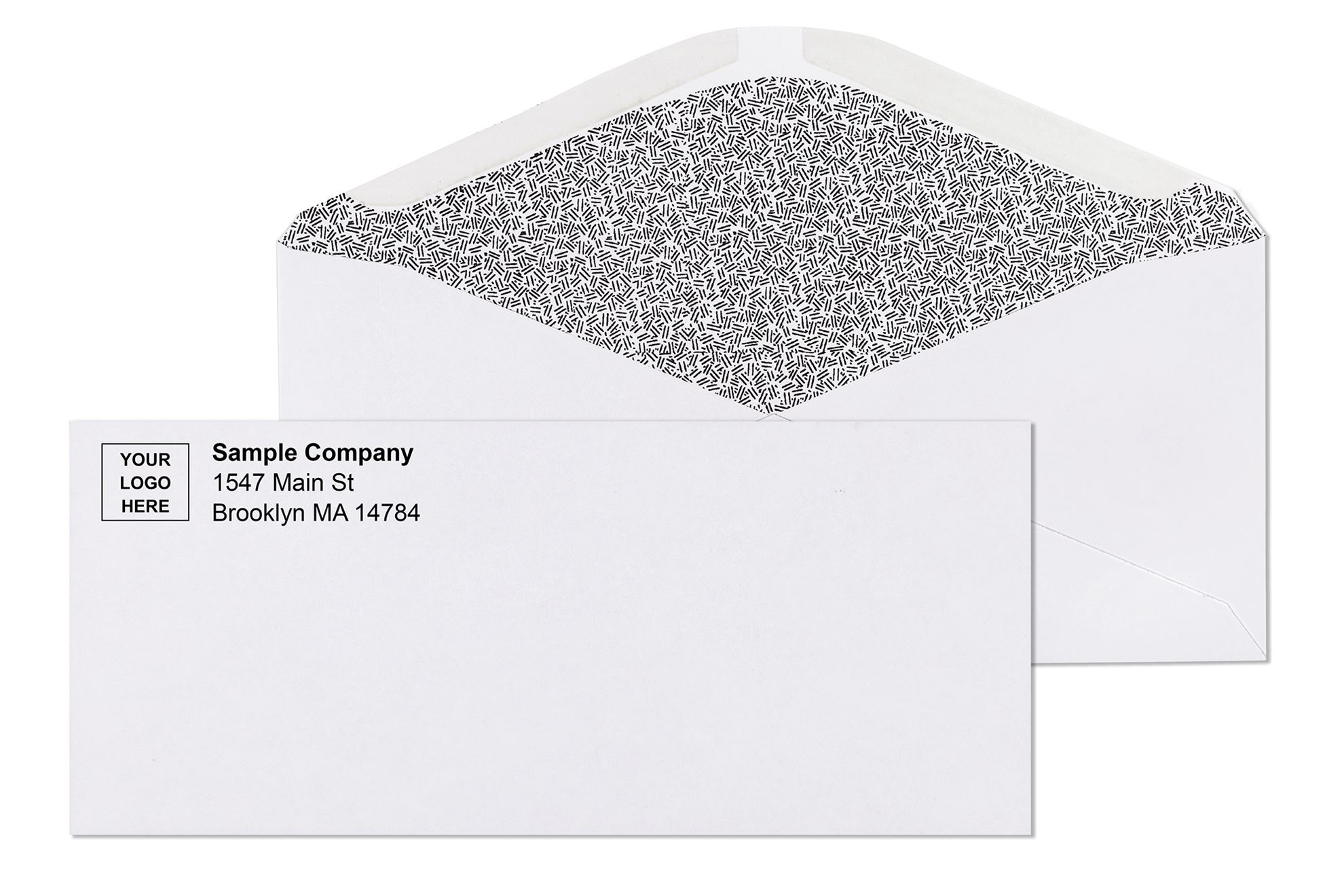
If your office runs a folder inserter machine, the self-seal vs gummed decision is made for you: gummed flap envelopes are required for automatic sealing in the inserter's built-in sealing unit.
Here is why. A folder inserter's sealing unit applies water to the envelope flap as each piece passes through. That water activates the gum adhesive, which bonds when the flap is pressed closed. Pressure-sensitive adhesive , the type used in both peel-and-seal and flip-and-stick envelopes , does not activate with water. The result: self-seal envelopes pass through the inserter's sealing unit completely unsealed. Every piece exits correctly stuffed but with an open flap that must be sealed by hand.
For operations that seal by hand and want moisture-free sealing, both peel-and-seal and flip-and-stick work correctly outside an inserter program. The choice between them comes down to speed and tamper evidence, not machine compatibility. For a deeper look at all closure types and when each applies, see How to Seal an Envelope: The Right Way for Every Type and Volume.
Which Type of Self-Seal Envelope Should You Order?
If you're a billing department, utility company, property manager, or anyone pumping out hundreds of invoices and statements every month, go flip-and-stick. Speed wins. Tamper evidence doesn't matter for a water bill. Zero waste is a nice bonus. Pair them with window envelopes and you've eliminated both the addressing step AND the sealing step from your workflow.
If you're a law firm, medical practice, HR department, or financial advisor mailing documents that contain genuinely sensitive information, go peel-and-seal. The tamper evidence matters. Pair them with security tint and you've got serious mail security. Check envelopes should always be peel-and-seal with security tint, no exceptions.
And honestly? A lot of offices just stock both. Flip-and-stick for the daily grind, peel-and-seal for anything sensitive. It's not an either/or.
For a complete guide covering all self-seal formats, security tinting, and window configurations, see Self Seal Envelopes: Mailing Machine Compatibility and the Labor Savings Math. For paper weight guidance across all envelope types, see Envelope Paper Weight Guide: 20 lb, 24 lb, and 28 lb Explained.
Window Self-Seal Envelopes: Eliminating Two Manual Steps at Once
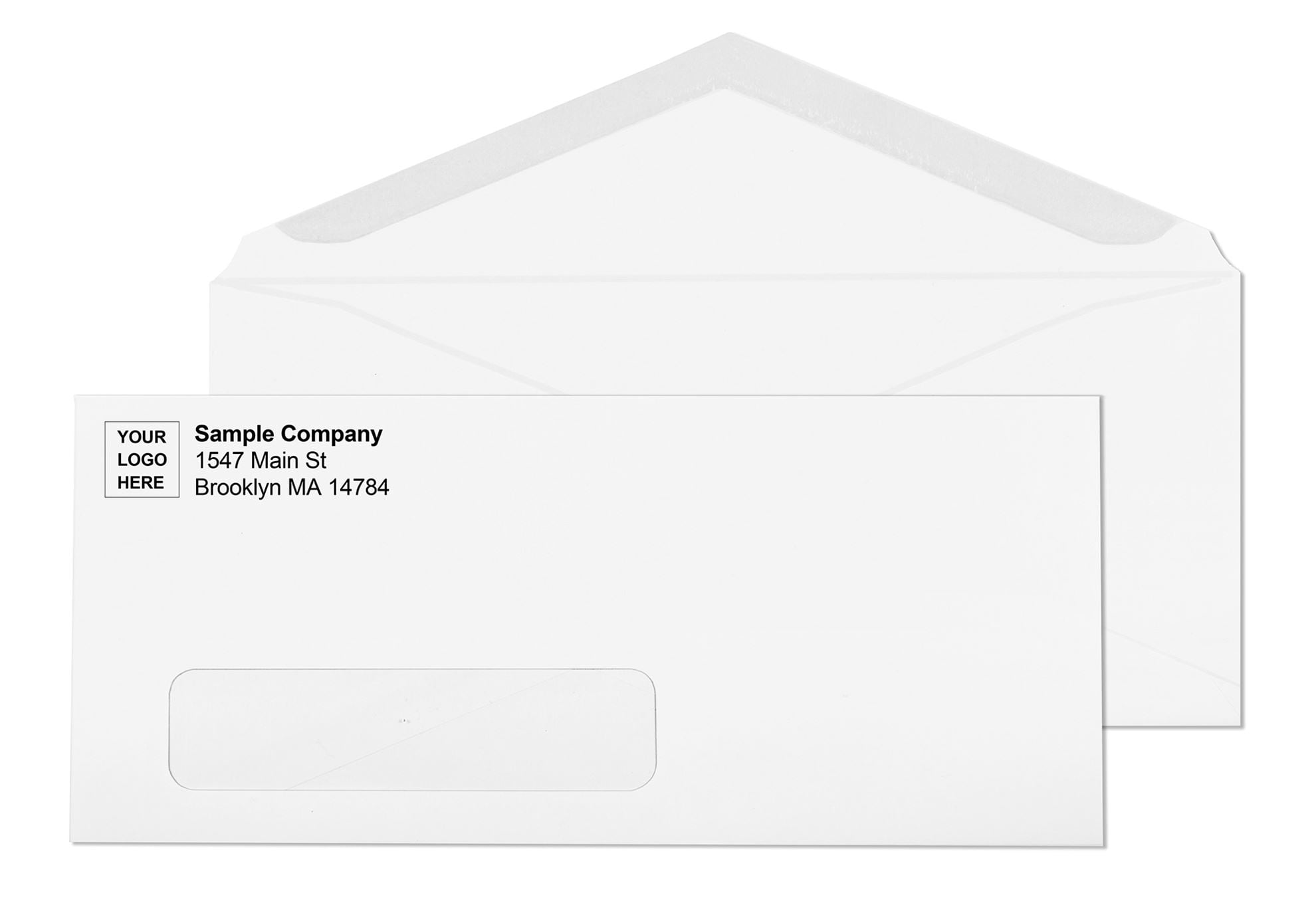
The biggest workflow improvement for billing departments is not just switching from gummed to self-seal. It is combining a window envelope with a flip-and-stick or peel-and-seal closure, which eliminates two manual steps in a single product choice.
- Manual addressing eliminated: The recipient's address, already printed on the invoice or statement inside, shows through the window automatically. No labels, no separate printing, no hand-writing.
- Manual sealing eliminated: The flip-and-stick or peel-and-seal closure seals without moisture. One press and done.
The window tinted self-sealing envelope combines both features in a single format. For programs mailing 200 to 2,000 pieces per month by hand, this combination reduces per-piece handling time more than any other single product change. See all window formats at window envelopes.
What Customers Say About Self-Seal Envelopes
★★★★★ Rikki, Verified Buyer | #10 White Window Tinted Peel-Seal Envelopes
"Never liked the lick envelopes peel and stick is the way to go."
★★★★★ Baila, Verified Buyer | 9x12 White Open-End Peel-Seal Envelopes
"Love that they are self adhesive as well, saves me a lot of time. I'd say this is a solid purchase for your mailing needs."
★★★★★ Rikki, Verified Buyer | Double Window Flip-and-Stick Check Envelopes
"Durable, secure, and easy to use. These Flip and Stick double window envelopes are perfect for mailing checks efficiently."
Why Choose BusinessEnvelopes.com for Self-Seal Envelopes
I've tried VistaPrint, Staples, Amazon, and a couple of random online printers for envelopes over the years. I keep coming back to BusinessEnvelopes.com for a few reasons that actually matter day to day.
They're an envelope company. That's it. That's all they do. They've been doing it since 1997, over 27 years, and you can tell because the product range is deep. Every #10 envelope variant you could want is there. Tinted, windowed, double window, peel-and-seal, flip-and-stick, colored, blank, printed. Try finding that range at Staples.
They ship free on every order, no minimum. They send you a free proof before printing so you can check your logo looks right. And they've got real humans who answer questions. I once called about window alignment for a QuickBooks invoice template and the person actually knew what I was talking about. That doesn't happen at a big-box store. For the full range of sizes, check the envelope size guide.
Bottom line: if your office is still using gummed envelopes in 2026, you're spending more money than you need to and your mail is arriving open more often than you think. Switch to self-seal. Pick peel-and-seal or flip-and-stick based on what you're mailing. And never look at a crusty sponge roller again.