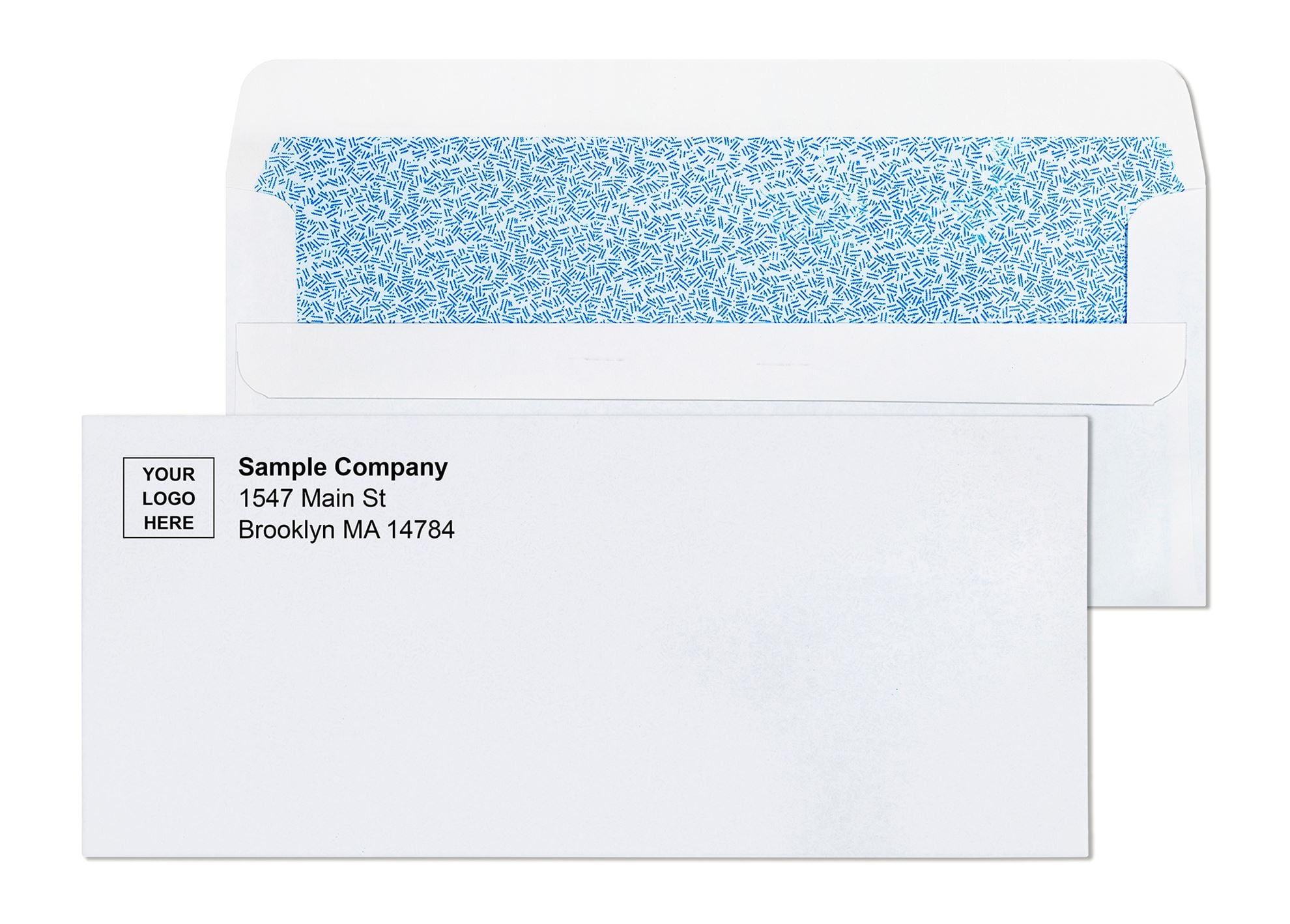
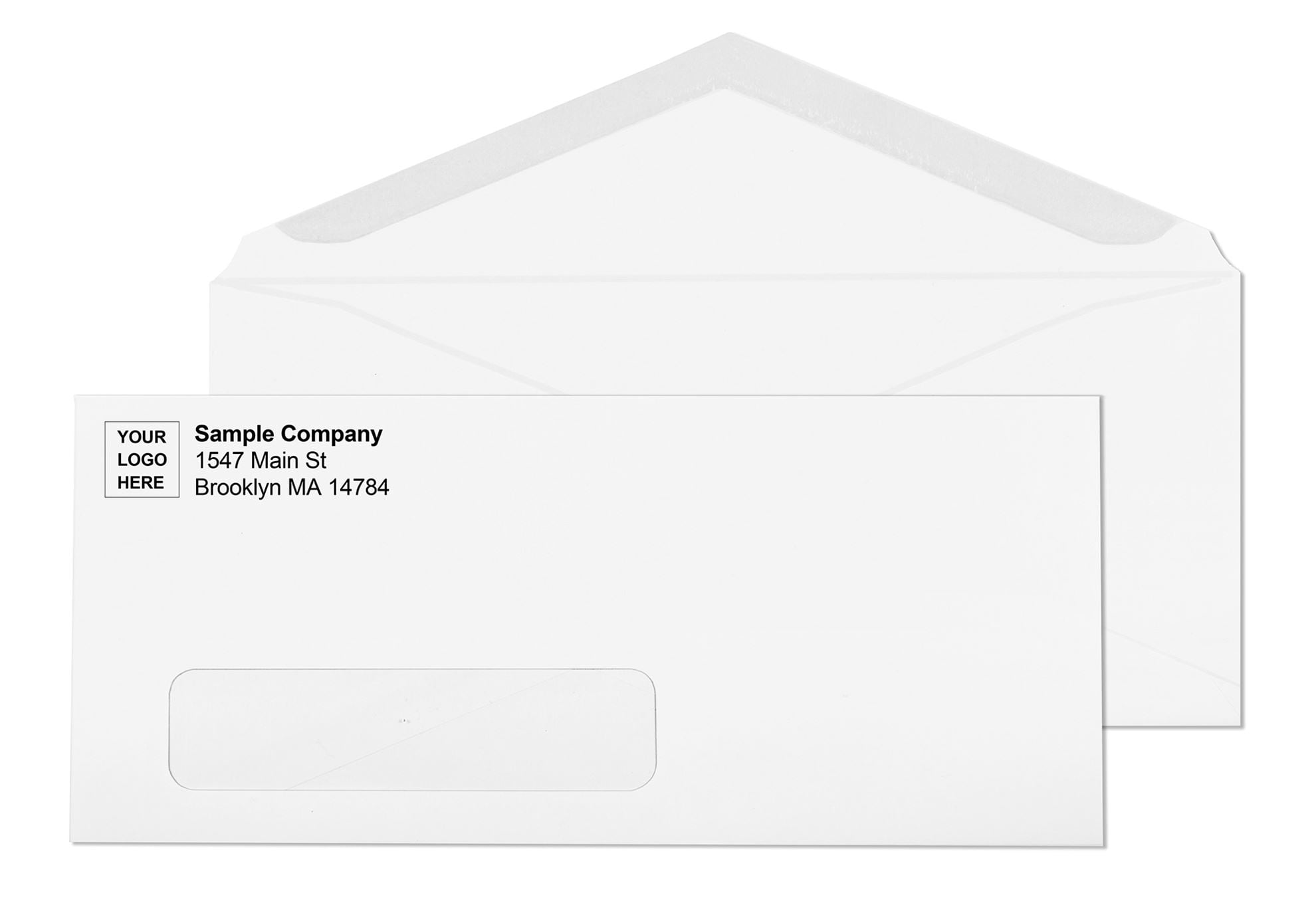
Quick answer: A non-machinable envelope is any letter-size mailpiece that USPS automated sorting equipment cannot process. USPS charges a $0.49 non-machinable surcharge (2026 rate) on top of standard First-Class Letter postage when a piece triggers any of six criteria. Those criteria are: wrong aspect ratio, clasp closure, plastic exterior, rigid contents, address parallel to the short edge, or insufficient thickness on oversized pieces. The most common triggers in business mailing are clasp closures on large envelopes and square invitation envelopes. Standard #10, 6x9, and 9x12 envelopes with gum flap or peel-and-seal closures and flexible contents mail as standard First-Class without the surcharge. See machinable formats at regular envelopes.
The non-machinable surcharge catches most business mailers off guard the first time. An organization orders clasp envelopes for a new mailing program, runs the batch, and receives a postage bill significantly higher than expected. The surcharge applies to each piece and compounds fast at any meaningful volume.
This non-machinable envelope guide covers all six USPS criteria, explains which formats are affected, shows how to calculate the aspect ratio, and gives a three-step test to confirm mailability before a large run.
What Is a Non-Machinable Envelope?
USPS processes the majority of First-Class Letter mail through automated sorting equipment: optical character readers that scan addresses, barcode sorters that route pieces by destination, and mechanical systems that move pieces through the sorting facility at high speed. This automated process only works on pieces that meet specific physical requirements for size, shape, flexibility, and closure type.
A non-machinable envelope is one that fails one or more of those requirements. Because the automated equipment cannot process it, USPS must sort the piece by hand, which costs more. The non-machinable surcharge recovers that additional cost from the mailer.
The surcharge applies to First-Class Letters only. Pieces that exceed letter-size dimensions are classified as First-Class Flats and are subject to flat-rate postage, which is higher than letter-rate postage but does not have a separate non-machinable surcharge category. Understanding the distinction matters when you are choosing between letter-rate and flat-rate mailing for a large envelope format.
The 6 USPS Non-Machinable Criteria: Complete Reference
USPS defines six conditions that trigger non-machinable classification on a First-Class Letter. Any one of them is sufficient to trigger the surcharge. A piece that fails multiple criteria still pays only one surcharge.
Criterion 1: Aspect ratio outside 1.3 to 2.5
The length-to-height ratio of the envelope must fall between 1.3 and 2.5. Length is the longer dimension, measured parallel to the delivery address. Height is the shorter dimension. A ratio below 1.3 (nearly square) or above 2.5 (very elongated) triggers the surcharge.
The formula: length divided by height = aspect ratio.
A standard #10 envelope: 9.5 inches divided by 4.125 inches = 2.3. Within range. No surcharge from this criterion.
A square 5x5 invitation envelope: 5 divided by 5 = 1.0. Below the 1.3 minimum. Surcharge triggered.
Fix: choose a rectangular format with an aspect ratio between 1.3 and 2.5.
Criterion 2: Thickness below 0.009 inch (for oversize pieces)
For pieces more than 4-1/4 inches high or more than 6 inches long, the thickness must be at least 0.009 inch (approximately the thickness of a standard sheet of paper). Pieces below this threshold are considered too flimsy for automated processing and may be damaged by sorting equipment.
For standard business envelopes with any paper content inside, this criterion is almost never triggered. It primarily affects very thin mailers or poly-wrapped pieces.
Fix: ensure any oversized mailpiece contains enough paper content to meet the minimum thickness at the point of measurement.
Criterion 3: Plastic exterior or non-paper surface material
Envelopes that are poly-bagged, poly-wrapped, or have an exterior surface made of a material other than paper trigger the surcharge. This criterion targets plastic-coated catalog mailers and polybag wraparound formats. Standard paper envelopes, whether white wove, brown kraft, or Tyvek, are not affected by this criterion.
Fix: use a paper-exterior envelope format for any mailing requiring standard letter-rate postage.
Criterion 4: Clasps, strings, buttons, or non-standard closures
Any envelope with a metal clasp, string-and-button closure, brad, or similar mechanical fastener triggers the surcharge. This is the most commonly triggered criterion in business mailing because clasp envelopes are the standard format for interoffice routing and heavy document mailing. When those same envelopes enter the USPS mailstream with the clasp attached, the surcharge applies automatically.
Fix for one-time external mailing: remove the clasp before mailing and seal with the gum strip. Fix for recurring external mailing: switch to a gum flap or peel-and-seal large envelope for USPS pieces. Reserve clasp envelopes for internal routing only.
Criterion 5: Rigid or uneven contents
An envelope that does not bend because its contents are rigid triggers the surcharge. USPS equipment bends pieces slightly during processing. If the piece cannot flex, it cannot pass through automated sorting. Common rigid-content triggers include thick cardstock inserts, plastic cards (gift cards, ID cards, credit cards), coins, keys, pen clips, USB drives, and CD or DVD cases.
The test is physical: hold the sealed envelope and bend it gently across the width. If it flexes easily, it is not rigid. If it resists bending or cracks, it is non-machinable under this criterion.
Fix: remove rigid contents, use a flexible alternative, or plan for the surcharge in the postage budget when rigid items must be mailed.
Criterion 6: Delivery address parallel to the shorter dimension
If the delivery address is printed or written parallel to the short edge of the envelope rather than the long edge, USPS OCR equipment cannot read it correctly during automated processing. This typically results from loading an envelope into a printer in the wrong orientation, causing the address to print sideways.
Fix: confirm envelope orientation in printer settings before running any batch. The delivery address must run parallel to the long edge of the envelope.
Which Envelope Formats Trigger the Non-Machinable Surcharge
Envelope Format
Surcharge?
Criterion Triggered
Fix Available?
Clasp envelope (metal brad closure)
Yes , always
Criterion 4: clasp closure
Yes: remove clasp and seal with gum strip before mailing
Square envelope (5x5, 6x6, etc.)
Yes , always
Criterion 1: aspect ratio below 1.3
No: format change required
Envelope with rigid contents (cards, coins, keys)
Yes , when rigid
Criterion 5: rigid or uneven thickness
Yes: use flexible contents or accept surcharge
Poly-wrapped or poly-bagged mailer
Yes , always
Criterion 3: non-paper exterior
Yes: use paper-exterior envelope instead
#10 gum flap envelope (flexible contents)
No
None , fully machinable
N/A
#10 peel-and-seal envelope (flexible contents)
No
None , fully machinable
N/A
#10 window envelope (flexible contents)
No
None , fully machinable
N/A
6x9 peel-and-seal (under 3.5 oz, flexible)
No
None , fully machinable at letter rate
N/A
6x9 with clasp closure
Yes , always
Criterion 4: clasp closure
Yes: use gum flap or peel-and-seal version
The 2026 Non-Machinable Surcharge: What It Costs
The USPS non-machinable surcharge for First-Class Letters in 2026 is $0.49 per piece. This is added on top of standard First-Class Letter postage based on weight.
Weight
Standard Letter (metered)
Non-Machinable Surcharge
Total Postage
1 oz
$0.82
$0.49
$1.31
2 oz
$1.11
$0.49
$1.60
3 oz
$1.40
$0.49
$1.89
3.5 oz (max letter)
$1.69
$0.49
$2.18
Volume impact of the surcharge At $0.49 per piece, a mailing of 1,000 non-machinable envelopes costs $490 more in postage than the equivalent machinable format. At 10,000 pieces, the surcharge adds $4,900. For any recurring mailing program, the format decision directly affects the annual postage budget. Always verify current USPS rates before a large run at USPS.com.
How to Test Whether Your Envelope Is Machinable Before Mailing
Run these three checks on a sealed, loaded test piece before committing to a large mailing run. Each check takes under a minute and identifies any surcharge trigger before the batch enters the mailstream.
Check 1: Calculate the aspect ratio
Measure the longer side of the envelope in inches. Measure the shorter side in inches. Divide the longer by the shorter. The result must be between 1.3 and 2.5. Write down the number before ordering envelopes if you are unsure. A 9.5 x 4.125 inch #10 envelope calculates to 2.3, safely within range. A 6x9 envelope calculates to 1.5, also within range. Any envelope where the two dimensions are equal or nearly equal will fall below 1.3.
Check 2: The flexibility test
Load the envelope with the actual contents you plan to mail, seal it, and hold it at both short ends. Bend it gently across the width , not to fold it, just a gentle bow. A machinable piece should flex without cracking, snapping, or feeling like a rigid board. If it resists bending, rigid contents are triggering criterion 5. Check whether a single sheet of paper can be removed to reduce thickness, or whether the contents can be made flexible.
Check 3: Inspect the closure
Look at how the flap seals. If there is a metal brad, a wire tie, a string-and-button, or any fastener other than a gum strip or peel-and-seal adhesive, the piece is non-machinable under criterion 4. The fix is either removing the clasp and sealing with the gum strip before mailing, or switching to a gum flap or peel-and-seal envelope for external USPS pieces.
Machinable Alternatives to Common Non-Machinable Formats
Instead of clasp envelopes for external mailing
If a mailing program currently uses 9x12 or 10x13 clasp envelopes for external USPS mailing, switching to the same size in a gum flap or peel-and-seal format eliminates the surcharge on every piece. The 9x12 and 10x13 in gum flap format mail as First-Class Flats (above letter-size limits) rather than letters, so the non-machinable surcharge rules are different. However, for 6x9 envelopes , which can mail as letters , the clasp closure triggers the letter-rate surcharge. A 6x9 peel-and-seal envelope with the same contents avoids the surcharge entirely. For the complete guide to 6x9 postage and machinable format options, see 6x9 Envelope Postage: Letter Rate, Flat Rate, and How to Pay the Right Amount.
Instead of square envelopes for invitations
The aspect ratio trigger on square envelopes cannot be fixed without changing the format. Organizations mailing wedding invitations, event announcements, or greeting cards in square envelopes either pay the surcharge or switch to a rectangular format with an aspect ratio between 1.3 and 2.5. A standard A7 announcement envelope (5.25 x 7.25 inches) has an aspect ratio of 1.38, just above the 1.3 minimum, and qualifies as machinable. For complete guidance on invitation and greeting card envelope sizing, see Greeting Card Envelope Sizes: The Complete US Guide and Wedding Invitation Envelopes: The Complete Size, Postage, and Mailing Guide.
Instead of rigid-content envelopes
When the mailing must include a rigid item, three options exist. Mail in a padded flat or package format. Replace rigid items with flexible paper alternatives. Or budget for the $0.49 surcharge on that piece type. For programs where a rigid item is included in only some mailings, separating the batches lets the flexible-content pieces mail at the standard rate while only the rigid-content pieces pay the surcharge.
Why Business Envelopes for Machinable Envelope Programs
Business Envelopes has supplied machinable envelope formats to businesses, nonprofits, financial institutions, and healthcare providers since 1997. Every standard format in the catalog, including #10, #9, 6x9, and large envelope formats with gum flap and peel-and-seal closures, is machinable when used with flexible paper contents.
Standard #10, #9, #11, and #12 in gum flap and peel-and-seal closures
6x9, 9x12, and 10x13 in gum flap and peel-and-seal closures
Window envelopes for billing and statement programs
Security-tinted formats in gum flap and peel-and-seal
All formats confirmed machinable with flexible paper contents
★★★★★ Jacob, Verified Buyer | #10 White Wove Printed Envelopes
"I am very pleased with these envelopes and will order again! Great product and shipped very well! Better than I get from local office supply and a better value!"
★★★★★ Rikki, Verified Buyer | 6x9 White Booklet Printed Envelopes
"Very nice quality, exactly as described. I'm pleased with my purchase."
★★★★★ Jacob, Verified Buyer | 9x12 White Open-End Printed Envelopes
"Very happy with these envelopes! These arrived in pristine condition. They are just great for mailing letter sized documents."
Frequently Asked Questions
What is a non-machinable envelope?
A non-machinable envelope is any letter-size mailpiece USPS automated sorting equipment cannot process. USPS charges a $0.49 surcharge on top of standard First-Class Letter postage when a piece triggers any of the six criteria: wrong aspect ratio, clasp closure, plastic exterior, rigid contents, address parallel to short edge, or insufficient thickness.
How much is the USPS non-machinable surcharge in 2026?
The non-machinable surcharge for First-Class Letters in 2026 is $0.49 per piece, added on top of standard weight-based postage. A 1-ounce non-machinable letter costs $1.22 in metered postage vs $0.73 for a standard machinable letter. Verify current rates at USPS.com before a large run. See the full postage guide at How Many Stamps Do I Need? The Complete Guide by Envelope Size.
Does a clasp envelope trigger the non-machinable surcharge?
Yes. USPS criterion 4 lists clasps, strings, buttons, and similar closure devices as non-machinable triggers. To mail a clasp envelope without the surcharge, remove the clasp before mailing and seal with the gum strip. For recurring USPS mailing, switch to a gum flap or peel-and-seal large envelope. See Clasp Envelopes: The Complete Guide to Sizes, Uses, Mailing Rules, and Closures.
What is the aspect ratio rule for USPS machinable envelopes?
The aspect ratio (length divided by height) must be between 1.3 and 2.5. A standard #10 envelope calculates to 2.3 , within range. A square 5x5 envelope calculates to 1.0 , below the minimum. Any result below 1.3 or above 2.5 triggers the surcharge regardless of other factors.