 FREE Shipping

Envelope Flap Styles: Every Flap Type and When to Use It
Last updated: November 17, 2026
Most people pick an envelope by size and never think about the flap. Then a box of envelopes jams the folder-inserter, the return address prints over a seam, or invitations arrive looking like utility bills. The flap style, the seam and the closure decide how an envelope runs through equipment, how it looks and how securely it seals.
This guide explains every common envelope flap style, from commercial and square flaps to wallet, baronial and remittance flaps, and shows which ones work with mailing machines, which seams suit printing, and which closure to pair with each style.
Quick Summary
Envelope flap styles are the shapes of the sealing flap on the back of an envelope. The main styles are commercial, square, wallet, pointed (baronial), euro, remittance and bankers flaps. Commercial and wallet flaps are the safest choices for business mail and inserting machines, while pointed and square flaps are mostly used for invitations and social mail.
- Commercial flap is the business standard: the contoured flap on most #10 envelopes, built for inserting and printing equipment.
- Wallet flap means a deep, straight flap: found on booklet and catalog envelopes, with a wide gummed area and good machine performance.
- Square flap gives the most design space: a straight edge across the bottom, but it can be harder for inserting machines.
- Pointed or baronial flaps are for social mail: elegant on invitations, but not recommended for printers or inserters.
- The seam matters too: diagonal seams suit machines, side seams give a large clear print area, and center seams add strength.
- The closure is a separate choice: gummed, peel and seal, self seal and clasp closures can be paired with different flaps.
| Flap style | Shape | Common on | Inserting machines |
|---|---|---|---|
| Commercial | Curved or contoured with angled shoulders | #9, #10, #11 business envelopes | Yes, the standard choice |
| Wallet | Deep and straight with rounded corners | Booklet, catalog and remittance envelopes | Yes |
| Square | Straight edge with square corners | Social and announcement envelopes | Test first, can cause problems |
| Pointed (baronial) | V shape with a deep throat | Invitations and greeting cards | Not recommended |
| Euro | Deep flap with a rounded tip | Invitations and stationery | Not recommended |
| Remittance | Very large flap covering most of the back | Payment and donation return envelopes | Depends on the setup |
Need the right flap for your mailing equipment? Browse business envelopes by size and closure, or request a quote for custom printed envelopes.
What is in this guide
- What is an envelope flap and what are its parts?
- What are the main types of envelope flaps?
- Which envelope flaps work with mail inserting machines?
- How do seam types change how an envelope performs?
- Which closure should you pair with your flap?
- What is the difference between open side and open end envelopes?
- Which flap style fits your mailing?
- How does flap depth affect bulky contents?
- Why businesses choose Business Envelopes
What Is an Envelope Flap and What Are Its Parts?
An envelope flap is the folded panel that closes the opening of an envelope. The top flap that you seal is called the seal flap. The other panels folded and glued to form the pocket are the side flaps and the bottom flap.
- Seal flap: the flap you fold down and seal, with gum or adhesive along its edge.
- Throat: the area where the seal flap meets the body of the envelope, which affects how easily contents slide in.
- Shoulders: the angled edges on either side of the flap that help guide inserts into the opening.
- Score: the fold line where the flap bends.
- Seams: the glued joints where the side and bottom flaps overlap.
The shape of the seal flap gives each style its name. Change that shape and you change how the envelope looks, how it seals and how it behaves in a machine.
What Are the Main Types of Envelope Flaps?
The main types of envelope flaps are commercial, square, wallet, pointed or baronial, euro, remittance, bankers and mailpoint. Each one was developed for a different job, from high-speed business mail to formal invitations.
Commercial flap
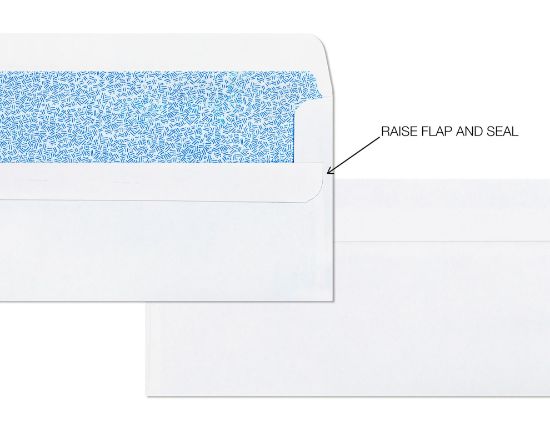
A commercial flap is a bowed or contoured flap with angled shoulders and a scooped throat. It is the standard flap on business correspondence envelopes such as the #10 envelope. Its shape helps with corner card printing, sealing over bulky inserts, automatic inserting and laser printing, which is why it dominates business mail.
Square flap
A square flap, also called a straight flap, has a straight edge along the bottom with square corners. It offers a large area for design, which makes it popular for announcements and branded stationery. Because it has no shoulders, a square flap can cause problems on automatic inserting equipment, so test it before a machine run.
Wallet flap
A wallet flap is a deep, straight flap with rounded corners and a wide gummed area. It is the usual flap on booklet, catalog and many specialty business envelopes. Wallet flaps handle automatic inserting, mailing and laser equipment well, and the deep flap seals securely over thick contents.
Pointed flap and baronial envelopes
A pointed flap has a V shape. Baronial envelopes pair a pointed flap with a deep throat and are the traditional choice for invitations, greeting cards and social stationery. Pointed flaps are not recommended for laser printers or inserting equipment.
Euro flap
A euro flap is a deep flap with a gently rounded tip, sometimes described as a contour flap. It gives invitations and premium stationery a modern look. Like the pointed flap, it is meant for hand insertion rather than machines.
Remittance and bankers flaps
A remittance envelope has a flap almost as large as the envelope itself, covering most of the back. That extra panel gives room for printed payment instructions, donation forms or account details. A bankers flap is a longer, contoured flap used where extra closure security is wanted. Our remittance envelope guide explains how businesses use the big flap.
Mailpoint flap
A mailpoint flap is a pointed-style flap found on some open end envelopes. It is gradually being replaced by the wallet flap on modern catalog envelopes.
Which Envelope Flaps Work With Mail Inserting Machines?
Commercial and wallet flaps work best with mail inserting machines. Square flaps should be tested first, and pointed, baronial and euro flaps are generally not suitable. Machine-inserted envelopes usually need a short, consistent flap so the machine can open, fill and seal each one.
| Flap style | Folder-inserter | Laser printer | Hand insertion |
|---|---|---|---|
| Commercial | Yes | Yes | Yes |
| Wallet | Yes | Yes | Yes |
| Square | Test first | Test first | Yes |
| Pointed or baronial | Not recommended | Not recommended | Yes |
| Euro | Not recommended | Not recommended | Yes |
| Peel and seal (any shape) | No, the release strip must be removed by hand | Check the envelope's rating | Yes |
If you run invoices or statements through a folder-inserter, choose gummed commercial flap envelopes, since the machine moistens the gum automatically. For more on equipment-friendly styles, see our automated mailing envelope guide.
How Do Seam Types Change How an Envelope Performs?
The seam is where the panels of an envelope are glued together, and it changes strength, print area and machine performance. The three main seam types are diagonal, side and center seams.
| Seam type | What it looks like | Strength | Best for |
|---|---|---|---|
| Diagonal seam | Seams run diagonally from the corners toward the center | Reliable everyday workhorse | Inserting machines, laser printing and postage meters |
| Side seam | Seams run along each side | Standard | Large, uninterrupted print area on booklets and square flap envelopes |
| Center seam | One seam down the middle of the back | Strongest for heavy contents | Catalog envelopes carrying thick documents |
Why do business envelopes use diagonal seams?
Diagonal seams spread the glue lines across the back in a way that holds up well in high-speed inserters, laser printers and postage meters. That is why the classic #10 business envelope uses diagonal seam construction.
When does a side seam make sense?
Choose a side seam when you want to print across the back of the envelope, since it leaves a larger clean area. Some side seam sizes run on inserters, but test a sample first.
Which Closure Should You Pair With Your Flap?
The closure is how the flap stays shut, and it is a separate choice from the flap shape. The main closures are gummed, peel and seal, self seal and clasp.
- Gummed (remoistenable): a dry glue that you moisten to seal. It is the standard for folder-inserters, which moisten flaps automatically.
- Peel and seal: an adhesive strip covered by a release paper. Peel the strip, press and the envelope is sealed with no water.
- Self seal (latex): latex on both the flap and the envelope body that bonds when pressed together.
- Flip and stick: a self seal style with an extra lower flap that you flip up to meet the seal flap.
- Clasp: a metal clasp that holds the flap closed for reopening, usually paired with a gummed flap for mailing.
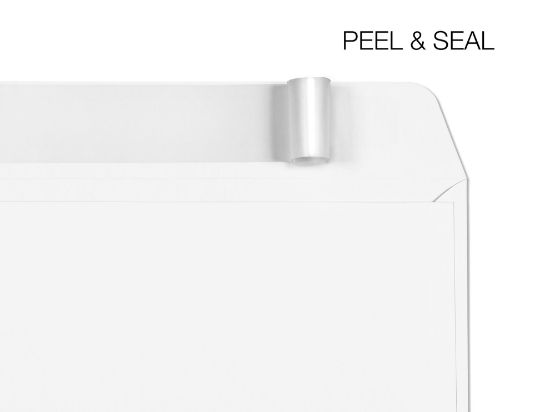
Our peel vs flip self seal guide compares the two self sealing options in detail, and our guide to sealing an envelope covers getting a secure seal every time.
What Is the Difference Between Open Side and Open End Envelopes?
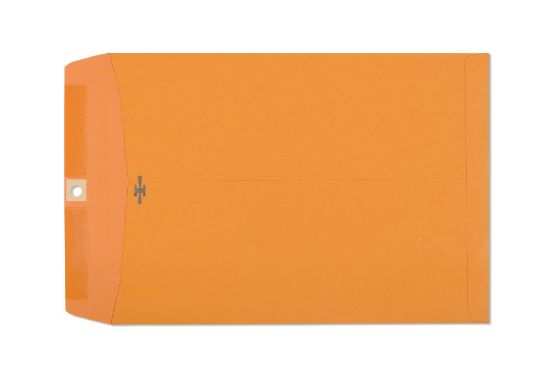
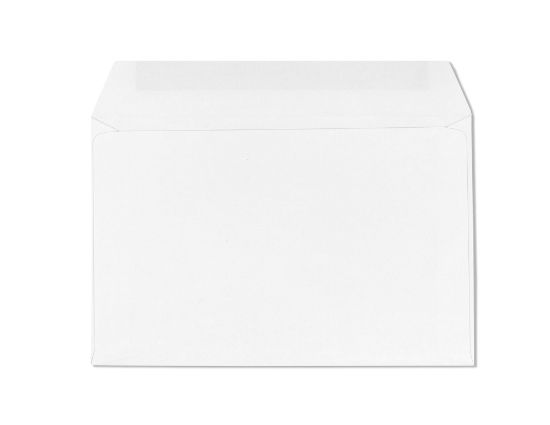
An open side envelope opens along its long edge, while an open end envelope opens on its short edge. The opening position decides where the flap sits and how the envelope is filled.
Open side (booklet) envelopes
Open side envelopes have the flap on the long side. Larger open side styles are called booklet envelopes, and they usually have a wallet flap. They are ideal for automatic insertion because machines feed along the long edge.
Open end (catalog) envelopes
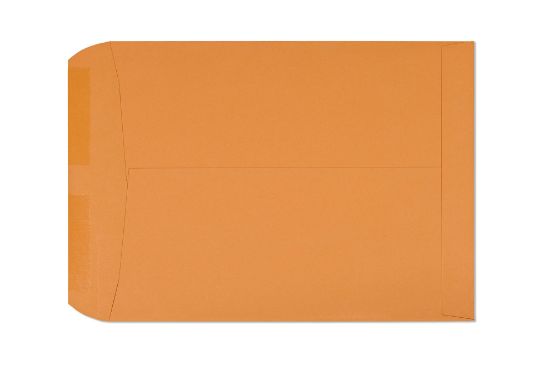
Open end envelopes have the flap on the short side. Larger ones are called catalog envelopes. They are easy to fill by hand with thick documents, reports and catalogs, and the flap stays clear of the address area.
Coin, clasp and Tyvek envelopes
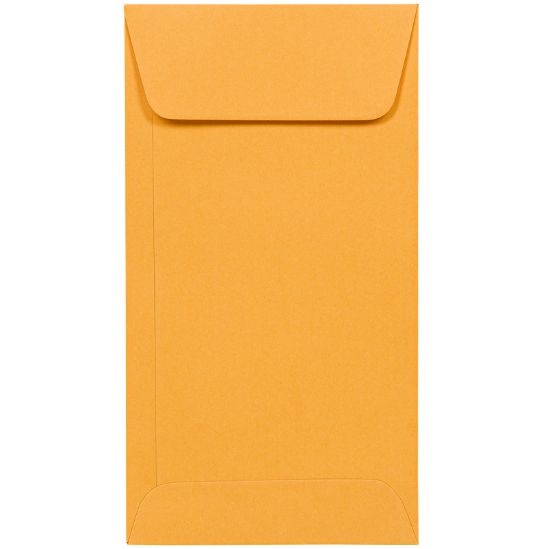
Coin envelopes are small open end envelopes for coins, keys, seeds and small parts. Clasp envelopes are open end envelopes with a metal clasp. Tyvek catalog envelopes are open end envelopes made from a tear resistant material. Our open end vs open side guide covers the differences in more depth.
Which Flap Style Fits Your Mailing?
The right flap style depends on what you mail and how you fill the envelopes. Use this table as a quick guide.
| Job | Recommended flap and closure | Why |
|---|---|---|
| Invoices and statements on a folder-inserter | Commercial flap, gummed | Runs smoothly and seals automatically |
| Invoices and letters sealed by hand | Commercial flap, peel and seal or flip and stick | Fast, secure seal with no water |
| Payment return envelopes | Remittance or wallet flap | Room for instructions and a secure seal |
| Direct mail with a printed back | Square or wallet flap with a side seam | Large, clean print area |
| Reports, contracts and catalogs | Open end catalog envelope with wallet flap | Easy to fill and seals over thick contents |
| Invitations and greeting cards | Pointed (baronial), euro or square flap | Formal or modern look, filled by hand |
For an overview of every envelope style, read our types of business envelopes guide.
How Does Flap Depth Affect Bulky Contents?
A deeper flap covers more of the envelope back, which gives a stronger seal over thick or heavy contents. Shallow flaps are fine for a few sheets of paper, but they can pop open when the envelope bulges.
- Thin letters: a standard commercial flap seals well.
- Thick statements or multi-page documents: choose a wallet flap or move up a size.
- Heavy reports: use a catalog envelope on heavier stock, such as 28 lb paper, with a wallet flap.
- Machine runs: keep flap depth consistent so the inserter opens every envelope the same way.
Paper weight matters as much as flap depth for heavy contents. Our envelope paper weight guide explains how to match stock to what you mail.
Why Businesses Choose Business Envelopes
Every flap and closure for business mail. Gummed, peel and seal and flip and stick closures across #9, #10, #11 and larger sizes.
Open side and open end styles. Booklet, catalog, clasp, coin and Tyvek envelopes for documents of every size.
Custom printing. Add your logo and return address to most styles.
Free ground shipping, no minimum. Ground shipping is free site wide with no minimum order, with a few regions excluded at checkout.
Not sure which flap your equipment needs? Call 845-781-7678, email sales@businessenvelopes.com or contact our team.